
Cleanroom Safety and Lab Equipment: Controller To Room Ionizer, ESD Assessment
Ensuring the quality of work environment helps to produce high-quality pharmaceutical, biotech, healthcare, electronics, lab equipment, medical device, and other products. Appropriate machinery, as well as regular inspection and testing, contribute to the efficiency of production, the quality of goods, and the safety of workers.
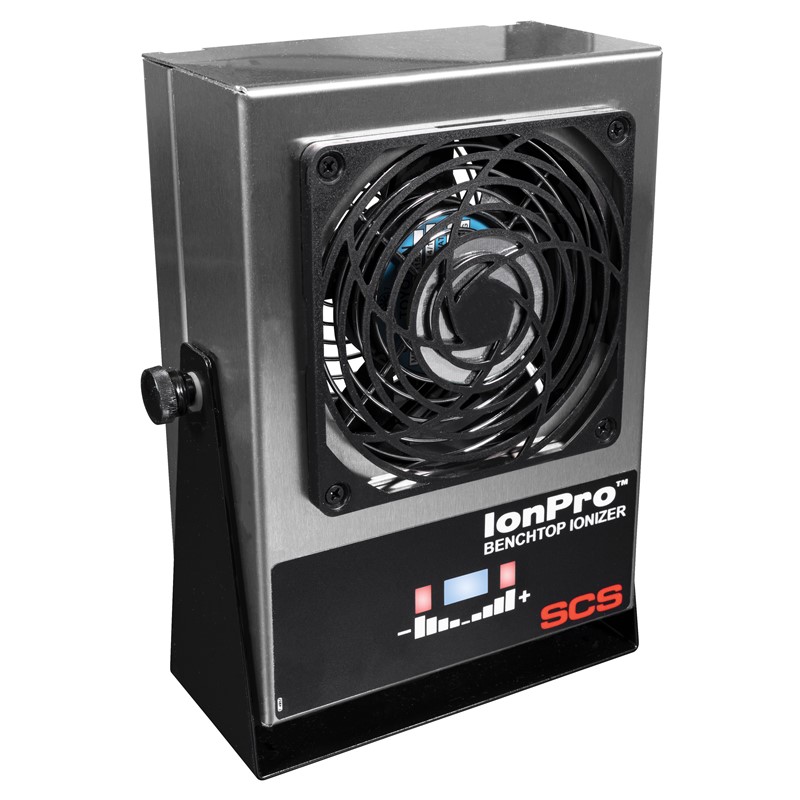
Room Ionizer: Getting rid of Static Electricity
A Room Ionizer is a device that eliminates electrostatic discharge in a restricted area or space. In other words, it neutralizes static electricity that attracts dust particles to surfaces of electronic equipment. In particular, Room Ionizers are used in electronics manufacturing facilities to address the issue of electrostatic discharge.
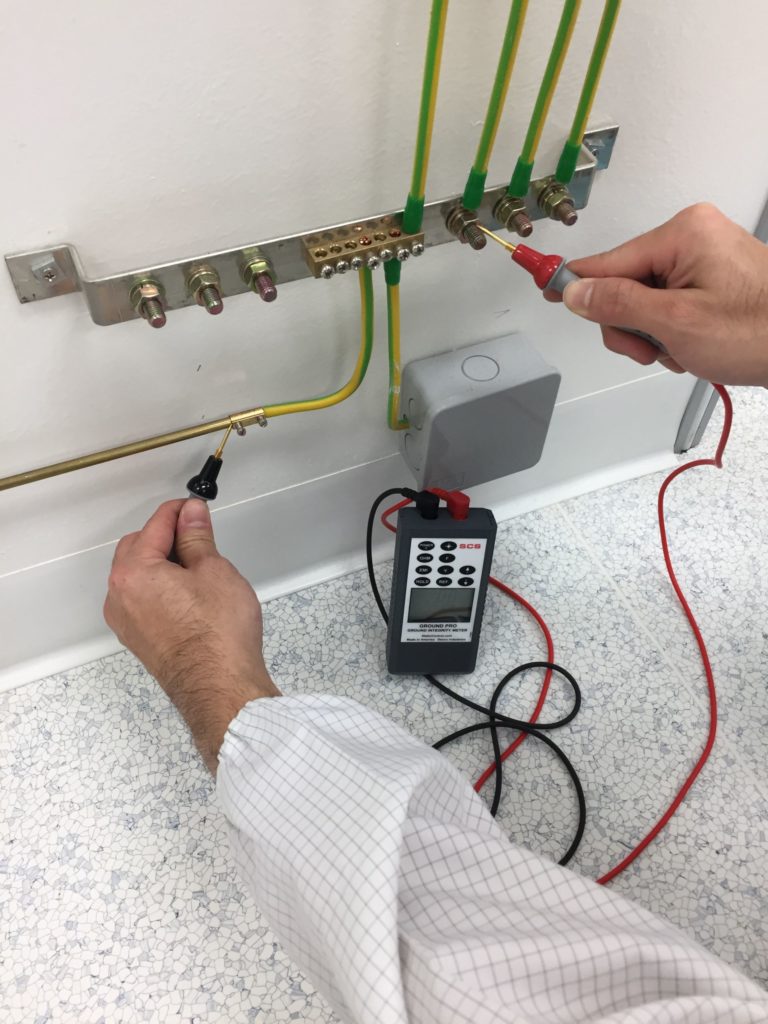
ESD Assessment: Reducing Risk of ESD
Generally, electrostatic discharge (ESD) refers to a flow of electrical current between two objects that have different electrical potentials. It is a serious problem in electronics manufacturing, as it can cause damage to electronic devices, as well as electrical fires. ESD Assessment is a process that ensures that a workplace is safe and addresses ESD-related issues. Therefore, a firm that produces electronic devices should consider conducting an ESD assessment.
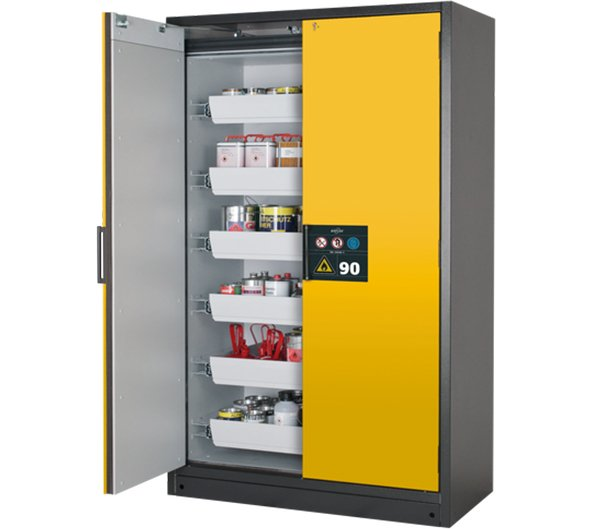
Lithium Battery Cabinet
It is essential to use a lithium battery cabinet in a facility that uses the batteries to ensure the safety of workers and comply with safety regulations.
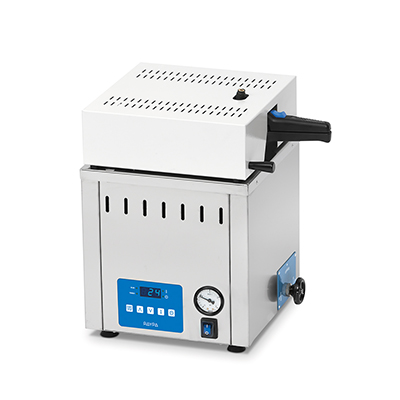
Autoclave: Trustworthy Method of Sterilizing Equipment
An Autoclave is a sterilizing device, which is used in a laboratory, medical facility, or research center to destroy microorganisms on equipment. In other words, an autoclave is a pressure steam sterilizer, suitable for ensuring that a particular object is microorganism-free.
Safety Cabinet
A Safety cabinet is a storage unit, which is used to hold chemical substances, acids, flammable liquids, and other hazardous materials. A safety cabinet ensures the safe storage of chemicals to prevent exposure to chemicals. Apart from that, a safety cabinet guarantees that there will be no spills, accidents, or fires in the facility.
Cleanroom Testing
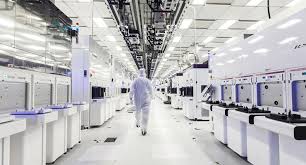
It is essential to conduct regular cleanroom testing to ensure that a controlled environment meets specific standards, as well as check its performance. In particular, there are several cleanroom tests, including air cleanliness test, pressure differential test, room airflow test, temperature and humidity test, and HEPA filter test.
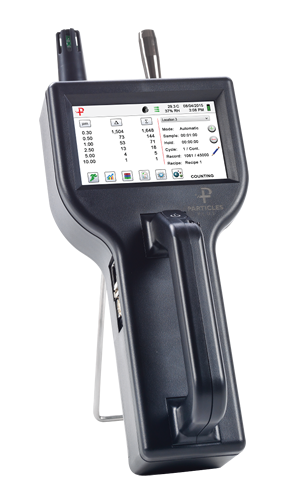
Airborne Particle Counter: Assessing the Level of Contamination
An Airborne Particle Counter is a device used during a cleanroom testing process to assess the level of contamination inside a cleanroom. In other words, it measures the number of airborne particles in a controlled environment to ensure that it complies with the standard level of cleanliness.
Conclusion
As you can see, each of the mentioned devices ensures the safety of a workplace environment and contributes to the quality of goods. In particular, a Room Ionizer helps to eliminate electrostatic discharge, while ESD Assessment identifies the weak points in a facility’s ESD safety program. An Airborne Particle Counter measures the number of particles in the air inside a cleanroom, while a cleanroom testing process identifies the performance of a controlled environment.

 English
 Arabic
 French
 Spanish
 Portuguese
 Turkish
 Dutch
Dutch
 Italiano
 Russian
 Romaian
 Portuguese (Brazil)
 Greek
Greek