
U4GM MLB The Show 26: Why Pitch Sequencing Wins
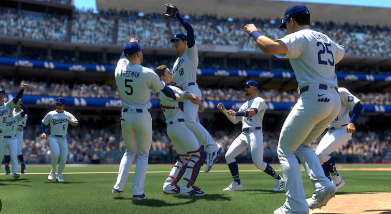
You can dot the meter all night and still get smashed if your opponent has your rhythm. That's the part a lot of players learn the hard way in MLB The Show 26. Online hitters are nosy. They're watching what you throw on 0-0, what you trust with two strikes, and where you go when a runner reaches second. Building a stronger squad with MLB 26 stubs helps, sure, but the pitch calling still has to make sense once the game starts. If every at-bat feels the same, a good hitter won't need long to time you up.
Make the hitter show you who they are
The first inning is mostly a test. Some players can't help themselves. They swing early, chase sliders that never had a chance to land, and get jumpy when the ball starts near the zone. Against them, don't be generous. Start a breaking ball just outside. Run a fastball above the hands. Bounce a changeup if they've already shown they'll offer. You're not trying to look clever. You're trying to find out if they can take a pitch. If they can't, let them get themselves out. Patient hitters are different. They'll stare at close pitches and wait for you to panic, so you've got to steal strikes with cutters, sinkers, and changeups on the edges before they settle in.
Counts change the whole at-bat
Pitching ahead feels good, but don't waste it by becoming obvious. On 0-2, plenty of players automatically throw a slider in the dirt or a fastball way upstairs. That works once or twice. After that, better hitters just lay off and reset the count. Mix in a pitch that nicks the corner now and then. Make them protect. When you're behind, keep your ego out of it. A 3-1 curveball that floats over the plate is usually a souvenir. Pick something you can control and aim for a safe edge. A boring grounder is a win. A walk followed by a mistake pitch is how innings get ugly fast.
Tunneling makes average stuff play better
You don't need every pitcher to throw 102 to fool people. You need pitches that look alike for the first few feet. A four-seamer up and a slider starting on the same path can make a hitter commit too soon. A sinker running inside can set up a changeup that fades away from the barrel. Even a cutter and fastball pairing can be nasty if you're hitting spots. The trick is not throwing random pitches just because the menu gives you options. Think in pairs. Show one look, then make the next pitch come from that same window before it breaks somewhere else.
Don't let stamina wreck a good start
There's always a temptation to throw max effort, especially in a close ranked game. I get it. You want the strikeout. But tired arms get sloppy, and sloppy pitches end up belt-high. Pay attention when command starts drifting or the confidence meter dips. Try for early contact when the bottom of the order is up. Save the extra velocity for spots that actually matter. And use the bullpen before the three-run homer, not after it. Most losses don't come from one bad pitch. They come from repeating the same plan until the other player catches on. Treat every plate appearance like a small adjustment, use your best cards and MLB stubs wisely, and you'll stay in far more close games.

 Arabic
 French
 Spanish
 Portuguese
 Deutsch
 Turkish
 Dutch
Dutch
 Italiano
 Russian
 Romaian
 Portuguese (Brazil)
 Greek
Greek