
A Simple Guide to UAE Freezone Entities & Business Setup
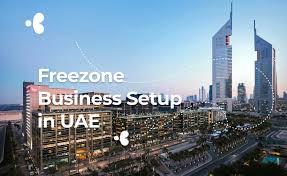
Starting a company in the United Arab Emirates is an exciting milestone for any entrepreneur. The country offers a booming economy, excellent infrastructure, and strategic access to international markets. If you are researching how to establish your company here, you have likely come across the term "freezone."
The UAE has over 40 distinct free zones, each offering unique advantages tailored to specific industries. Choosing the right setup can save you time, reduce your tax burden, and give you full control over your operations. However, the terminology and legal structures can feel confusing for newcomers.
This guide breaks down exactly what you need to know about the different types of freezone entities. You will learn how these business structures work, the distinct forms they can take, and how to select the perfect match for your commercial goals.
What is a Freezone Entity?
A free zone is a designated geographic area where certain taxes or restrictions on business, employment, and trade do not apply. In the UAE, these zones are designed to boost international business by offering perks like 100% foreign ownership and zero currency restrictions. When you register your business in one of these areas, it becomes a freezone entity.
Understanding the legal and financial nuances of these zones can be tricky. This is exactly why many new entrepreneurs work with Business Setup Consultants in Dubai. These experts help map out the specific legal requirements, ensure your paperwork is flawless, and prevent costly delays. They can also explain the specific benefits tied to the zone you select, such as exemptions from corporate tax or easy access to major shipping ports.
Main Types of Freezone Entities
While all free zones offer excellent business benefits, the actual legal structure of your company will depend on the number of shareholders and your current business status. Getting advice from experienced business consultants in UAE can help you decide which of the following three primary structures is right for you.
Free Zone Establishment (FZE)
A Free Zone Establishment is a single-shareholder company. This shareholder can be an individual person or a corporate entity. The FZE structure is perfect for solo entrepreneurs or parent companies that want to open a standalone branch under a single owner's name. Because there is only one shareholder, the decision-making process is incredibly fast and straightforward.
Free Zone Company (FZC or FZCO)
If you are starting a business with partners, you will need to form a Free Zone Company. An FZC requires two or more shareholders. The exact maximum number of shareholders depends on the specific rules of the free zone you choose, but it generally ranges up to 50. This structure is ideal for joint ventures, partnerships, and small-to-medium enterprises that require capital from multiple founders.
Branch of a Foreign or Local Company
Existing companies can expand their footprint by opening a branch office within a free zone. A branch is not considered a separate legal entity from its parent company. Instead, it operates entirely under the parent company's name and conducts the exact same business activities. This option is highly popular for international corporations looking to establish a Middle Eastern headquarters without creating an entirely new corporate structure.
Helpful Tips for Choosing the Right Freezone
Selecting the best location and structure requires careful planning. Here are a few practical tips to guide your decision:
-
Match your business activities: Every free zone has a specific list of permitted business activities. Ensure the zone you pick can issue the exact trade license you need, whether that is for media, healthcare, manufacturing, or e-commerce.
-
Check the facility requirements: Some business activities require physical warehouse space, while others only need a simple flexi-desk. Verify that the free zone offers the right commercial spaces for your daily operations.
-
Calculate your visa needs: Your trade license will dictate how many residency visas you can apply for. If you plan to hire a large team, make sure your chosen free zone allows for an adequate number of employee visas.
-
Review the share capital rules: Different free zones require different amounts of minimum share capital to be deposited into a bank account during the setup phase. Make sure this aligns with your available startup budget.
Frequently Asked Questions (FAQs)
Do I need a local sponsor to open a freezone company?
No. One of the biggest advantages of setting up a freezone entity is that it allows for 100% foreign ownership. You do not need a UAE national to act as a local sponsor or hold shares in your company.
Can a freezone company trade directly in the UAE mainland?
Freezone companies are primarily designed for international trade and doing business within the free zone itself. If you want to sell goods or services directly to consumers in the UAE mainland, you will generally need to work with a local distributor or open a separate mainland branch.
How long does it take to get a trade license?
The timeline varies depending on the specific free zone and the complexity of your business activities. Some highly digitized free zones can issue a trade license in just a few days, while others requiring external regulatory approvals may take a few weeks.
Final Words on Starting Your Freezone Journey
Establishing a freezone entity offers a clear, secure, and highly profitable pathway to growing your brand in the Middle East. By understanding the differences between an FZE, an FZC, and a branch office, you can structure your company to maximize operational efficiency and protect your assets.
Take the time to evaluate your long-term goals, audit your required business activities, and seek professional guidance to navigate the registration process smoothly. When you are ready to take the next step, gather your incorporation documents and start comparing the facilities across the UAE’s top free zones.

 English
 Arabic
 French
 Spanish
 Portuguese
 Deutsch
 Turkish
 Dutch
Dutch
 Italiano
 Romaian
 Portuguese (Brazil)
 Greek
Greek